Exploring the intriguing evolution of gambling through the ages
Ancient Beginnings: The Roots of Gambling
The history of gambling dates back thousands of years, with evidence suggesting that ancient civilizations engaged in various forms of betting. Archaeological findings indicate that dice made from bones were utilized in parts of China as early as 3000 BC. In Mesopotamia, the practice of betting on the outcomes of games and events was also prevalent, revealing the human desire for risk and reward. These early forms of gambling often intertwined with religious and cultural practices, providing a social framework for community interaction. Today, platforms like fatpiratecasinos.com continue this tradition, emphasizing exciting gaming experiences.

In Ancient Rome, the popularity of gambling surged, particularly among soldiers and citizens alike. The Romans invented several games of chance, such as betting on gladiatorial matches or chariot races. The Roman Empire embraced these activities, leading to the establishment of public gaming houses. These early gambling establishments not only fostered entertainment but also served as gathering places, reflecting the social dynamics of Roman society. The rules and structures surrounding these games began to evolve, laying the groundwork for future developments in gambling.
As civilizations progressed, gambling practices continued to adapt. The introduction of card games around the 9th century in China marked a significant shift in gambling culture. Cards made from paper began to spread through trade routes, influencing gambling practices across Asia and eventually into Europe. This evolution showcased the adaptability of gambling, as it transformed to include new formats and engage a wider audience. The shift toward card games highlighted both the strategic elements of gambling and its appeal as a social activity.
The Renaissance and the Birth of Modern Gambling
The Renaissance period marked a transformative era in European culture, and gambling was no exception. The invention of the printing press in the 15th century allowed for the dissemination of rules and strategies related to various games, including gambling. The emergence of casinos in Italy during this time represented a significant shift from informal betting practices to organized gaming establishments. These casinos provided a controlled environment for gambling, offering a range of games such as baccarat and roulette that would become staples in the gambling world.
As gambling grew in popularity, so did the regulations surrounding it. Governments began to realize the potential for taxation and revenue generation from these establishments. The Casino di Venezia, opened in 1638, is often cited as the first official casino, marking the formalization of gambling in society. This regulatory framework allowed for a more structured approach to gaming, attracting both casual players and serious gamblers eager to try their luck in a legitimate setting.
During this time, the concept of responsible gambling began to emerge, albeit in a rudimentary form. As gambling establishments attracted a wider demographic, concerns about addiction and social consequences grew. This awareness laid the groundwork for future discussions around responsible gambling practices, ultimately influencing how gaming houses would operate in the years to come. The Renaissance not only showcased the evolution of gambling but also set the stage for a more complex relationship between society, government, and gaming.
The 19th Century: The Rise of Gambling Culture
The 19th century witnessed a gambling boom, particularly in Europe and the United States. The industrial revolution had a profound impact on societal norms, creating a landscape ripe for gambling opportunities. With urbanization came an increase in leisure time, leading to the establishment of racetracks and betting shops. This proliferation of gambling venues reflected the growing acceptance of gambling as a popular pastime, no longer confined to the elite but accessible to the general public.
Additionally, the 19th century saw the emergence of lotteries as a legitimate means of funding public projects. Governments endorsed lotteries to generate revenue for infrastructure, education, and charity. This acceptance further legitimized gambling in society, allowing it to flourish in a variety of forms. The introduction of poker to the American gambling scene during this time also contributed to the diversification of gambling activities, appealing to a demographic that favored skill-based games over pure chance.
However, the rapid expansion of gambling brought with it new challenges. Social issues related to addiction and gambling-related crimes began to surface, prompting calls for regulation. The establishment of various gaming commissions and regulations aimed to mitigate these issues while maintaining the economic benefits associated with gambling. This period marked a turning point in the evolution of gambling, as it began to be recognized not just as entertainment but also as a potential social liability that required careful management.
The 20th Century: Regulation and the Digital Revolution
The 20th century was pivotal for gambling, as both societal attitudes and technological advancements shaped its landscape. The legalization of casinos in Nevada in 1931 represented a significant milestone, establishing Las Vegas as the gambling capital of the world. The growth of casino resorts transformed the perception of gambling from a vice to a legitimate form of entertainment, attracting millions of visitors eager to partake in the gaming experience. This shift facilitated a broader acceptance of gambling in popular culture, as depicted in movies and television shows.
The latter half of the century saw the rise of online gambling, revolutionizing the industry. With the advent of the internet in the 1990s, players could access games from the comfort of their homes. Online casinos offered a vast array of options, from slots to live dealer games, making gambling more accessible than ever. However, this digital transformation raised questions about regulation, fair play, and responsible gambling practices, highlighting the need for updated frameworks to protect consumers in this new landscape.
As the online gambling industry grew, so did the dialogue around responsible gambling. The potential for addiction and the need for safeguards prompted the development of various responsible gaming initiatives. Online platforms began implementing features such as self-exclusion tools and limit-setting options to promote safer gambling practices. This evolution reflected a growing recognition of the responsibility that comes with providing gambling services and the need to protect players from potential harm.
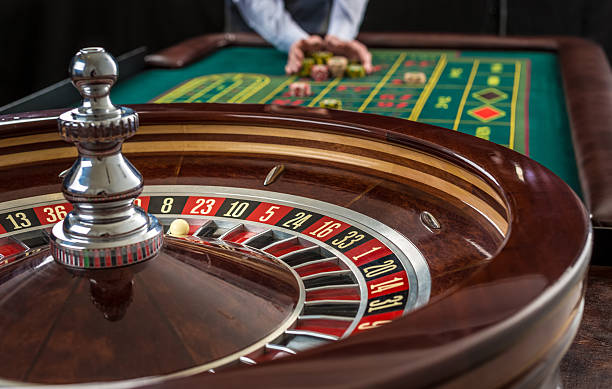
Exploring Fat Pirate Casino: Your Ultimate Gaming Destination
Fat Pirate Casino embodies the evolution of gambling into a modern, responsible gaming environment. As an online platform, it offers players a wide selection of games, from classic slots to engaging table games and an immersive live casino experience. Designed for both excitement and security, Fat Pirate Casino prioritizes player experience, ensuring that users can enjoy their favorite games in a safe and trustworthy atmosphere.
The commitment to responsible gambling practices at Fat Pirate Casino distinguishes it within the online gaming landscape. With tools and resources aimed at promoting safer gambling behaviors, players are empowered to set limits and make informed decisions about their gaming experiences. This focus on player protection highlights the importance of a balanced approach to gambling, merging entertainment with responsibility.
As you explore Fat Pirate Casino, you’ll encounter exclusive bonuses and promotions designed to enhance your gaming journey. With a dedicated customer support team and fast transaction processes, players can fully immerse themselves in the thrill of gaming. Fat Pirate Casino not only represents the pinnacle of modern online gambling but also champions the principles of responsible gambling, ensuring that the excitement of gaming is balanced with the care for player well-being.